Sales Page Structure vs Landing Page: The High Converting Page Guide
Sales page structure vs landing page design: the block order, real benchmark conversion rates, and how to choose the right format for paid traffic.
Written by

Share this
Unlock exclusive Atomicat content
Beyond the blog (/blog), browse our free marketing resources and free tools for calculators and templates (/templates). If you came here searching for landing page tips or landing page best practices specifically, start with the pillars above before browsing further. Browse /resources and /tools.
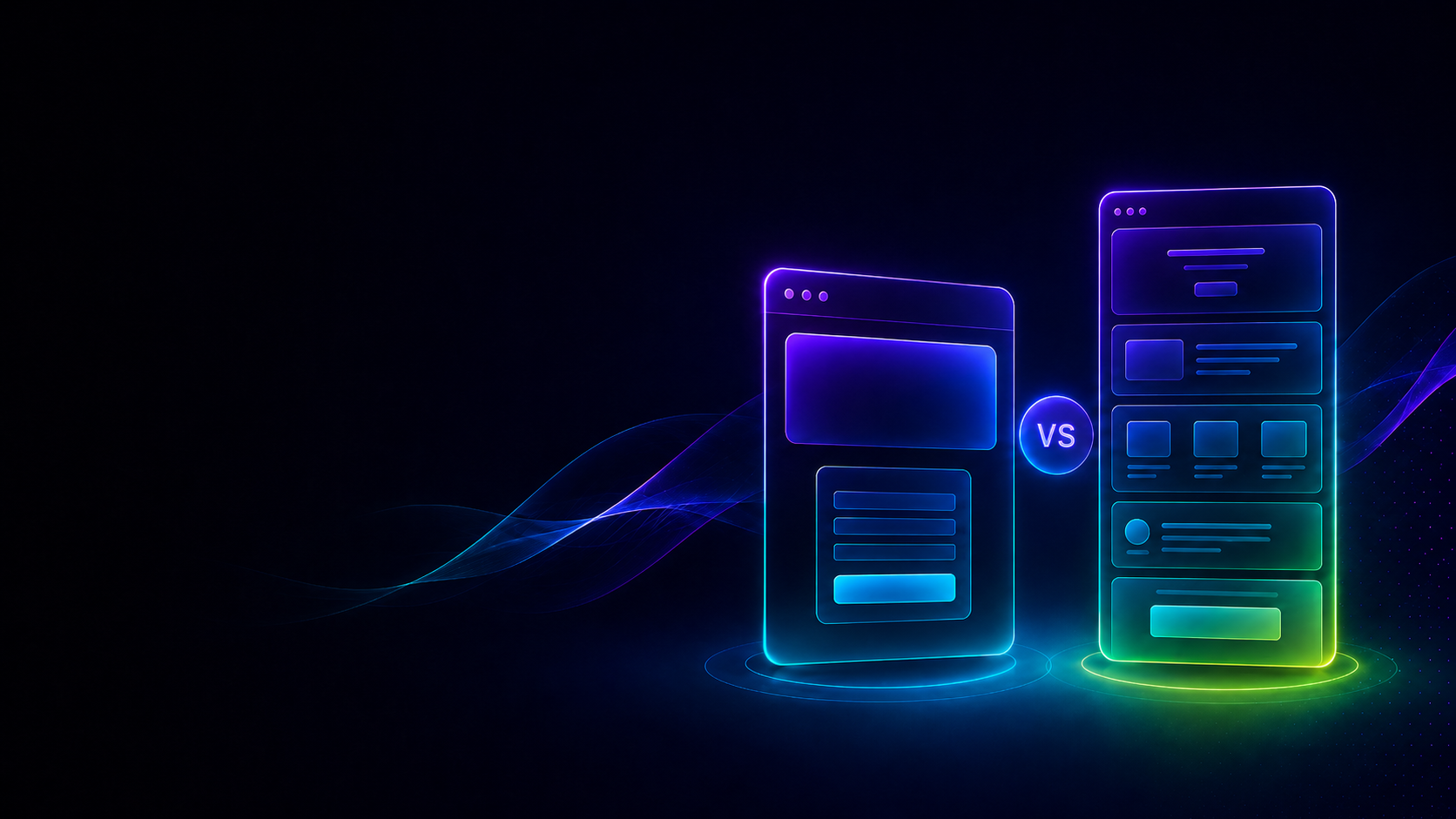
Sales page structure is the reason paid traffic converts or bounces. Get the sales page structure right and a high converting page follows; get the sales page structure wrong and even great landing page design fails. This guide explains sales page structure, landing page design, and landing page layout so you can build a high converting page every time.
Sales page structure vs landing page design
Sales page structure is the ordered argument that sells a purchase. Landing page design is the layout that captures a lead. A high converting page uses the right one for the job. Sales page structure carries the full pitch; landing page design and landing page layout carry a single ask. Confusing sales page structure with landing page design is why a high converting page is so rare, and why landing page layout so often underperforms.
A landing page is a single-goal page built on tight landing page design and clean landing page layout. Its landing page design asks for one micro-conversion. Its landing page layout removes distractions. Good landing page design plus good landing page layout equals a high converting page for leads.
A sales page uses sales page structure to argue for a purchase. Sales page structure is longer than landing page design because a purchase needs more than landing page layout can carry. Sales page structure is the macro-conversion engine; landing page design and landing page layout are the micro-conversion engine of a high converting page.
Why sales page structure matters on paid traffic
Paid traffic punishes weak sales page structure and lazy landing page design. Message match ties your sales page structure and landing page layout to the ad. When sales page structure matches the ad, a high converting page results; when landing page design mismatches the ad, the high converting page collapses. Traffic temperature decides whether sales page structure or landing page design wins: cold traffic needs sales page structure and presell landing page design, warm traffic needs direct landing page layout.
The colder the traffic, the more your sales page structure must earn before it asks. A high converting page for cold traffic leans on sales page structure; a high converting page for warm traffic leans on landing page layout. Either way, sales page structure and landing page design must serve one goal, or the high converting page becomes an average page.
What a high converting page looks like
A high converting page benchmarks its landing page design against real data. Median landing page design converts in the mid-single digits; top-quartile landing page layout converts far higher. That gap is sales page structure and landing page layout, not traffic. A high converting page compares landing page design to its own sector, because a lead-capture landing page layout and a purchase-focused sales page structure are not the same high converting page.
For sales page structure specifically, a high converting page on cold traffic converts lower than a lead-focused landing page design. Honest sales page structure expectations keep your high converting page realistic, and stop you judging sales page structure by the wrong landing page layout benchmark.
The landing page layout that earns the click
Landing page layout follows how people scan. Effective landing page design and landing page layout build the high converting page around that behaviour.
Above the fold in landing page design
Strong landing page layout puts four things first: a headline (landing page design that repeats the promise), a subhead (landing page layout that adds the mechanism), one visual (landing page design that shows the result), and the form (landing page layout visible on mobile). The most common landing page design failure is a hero that describes the company, not the outcome, which no landing page layout can rescue into a high converting page.
The form in landing page layout
Every field costs a high converting page conversions. Good landing page design asks for the minimum; good landing page layout removes friction. A high converting page uses landing page design that trades value for the email, and landing page layout that never over-asks.
The sales page structure that holds up under ad spend
Sales page structure is an argument in order. This sales page structure is the high converting page sequence:
- Hook: sales page structure ties the promise to the ad.
- Problem: sales page structure names the pain.
- Agitation: sales page structure raises the stakes.
- Mechanism: sales page structure explains why it works, the sales page structure block weak pages skip.
- Offer: sales page structure itemises the deliverable.
- Proof: sales page structure stacks evidence.
- Price framing: sales page structure anchors value.
- Risk reversal: sales page structure removes fear.
- Objections: sales page structure answers every no.
- Close: sales page structure drives the high converting page action.
Calls to action in sales page structure
A high converting page repeats one offer across the sales page structure. Sales page structure places the call to action after the offer, after the proof, after the risk reversal, and at the close. Competing calls to action break sales page structure and turn a high converting page into an average one, no matter how good the landing page layout.
Length and sales page structure
Sales page structure length follows objections, not a word target. Short sales page structure suits cheap offers; long sales page structure suits expensive ones. A high converting page sets sales page structure length by the argument, then trims. When the sales page structure answers every objection, the high converting page is done.
Choosing sales page structure or landing page design
Price point decides sales page structure vs landing page design. Cheap offers suit short sales page structure or a simple landing page layout; expensive offers need full sales page structure plus lead-capture landing page design first.
Awareness decides sales page structure vs landing page layout. Cold audiences need presell sales page structure; product-aware audiences need direct sales page structure; retargeting audiences need offer-first landing page layout. What happens after the click decides whether your high converting page is landing page design now and sales page structure later.
Five mistakes that break a high converting page
- Navigation left on the landing page design: every link is an exit from your high converting page.
- Proof that proves nothing: weak sales page structure proof kills a high converting page.
- A slow hero: heavy landing page layout costs a high converting page conversions.
- Testing button colour first: sales page structure and landing page design move a high converting page by multiples; micro-elements by fractions.
- A broken checkout: a high converting page can win on sales page structure and landing page layout and still lose at a bad checkout.
Frequently asked questions
Is a sales page just a long landing page?
No. Sales page structure sells a purchase; landing page design captures a lead. Sales page structure is longer than landing page design because a purchase needs more argument than landing page layout carries. Both aim at a high converting page, but sales page structure and landing page design do different jobs.
What is the ideal sales page structure?
Ideal sales page structure runs hook, problem, mechanism, offer, proof, price framing, risk reversal, objections, close. This sales page structure is the high converting page backbone, and the mechanism is the sales page structure block most landing page design skips.
What is a good high converting page conversion rate?
A high converting page beats its sector median. Landing page design for leads converts higher than sales page structure for purchases, so benchmark your high converting page by offer type, comparing landing page layout to landing page layout and sales page structure to sales page structure.
Should paid traffic use sales page structure or landing page design?
Cold traffic uses presell sales page structure; warm traffic uses direct landing page layout. Awareness sets whether your high converting page leans on sales page structure or landing page design.
How long should sales page structure be?
Sales page structure runs as long as the objections require. A high converting page sets sales page structure length by the argument, not a target, then trims the landing page layout to fit.
The takeaway
Sales page structure and landing page design are different tools for a high converting page. Match sales page structure to a purchase and landing page design to a lead, keep one goal per landing page layout, and order the sales page structure so each block earns the next. Do that, and sales page structure, landing page design, and landing page layout combine into a high converting page every time.
Published
August 9, 2026
Categories