Social Proof That Buyers Believe: Testimonials, Screenshots, and Numbers
Social proof only converts when it feels real: specific testimonials, screenshots, and numbers that match the offer and the audience you just bought.
Written by

Share this
Unlock exclusive Atomicat content
Beyond the blog (/blog), browse our free marketing resources and free tools for calculators and templates (/templates). If you came here searching for landing page tips or landing page best practices specifically, start with the pillars above before browsing further. Browse /resources and /tools.
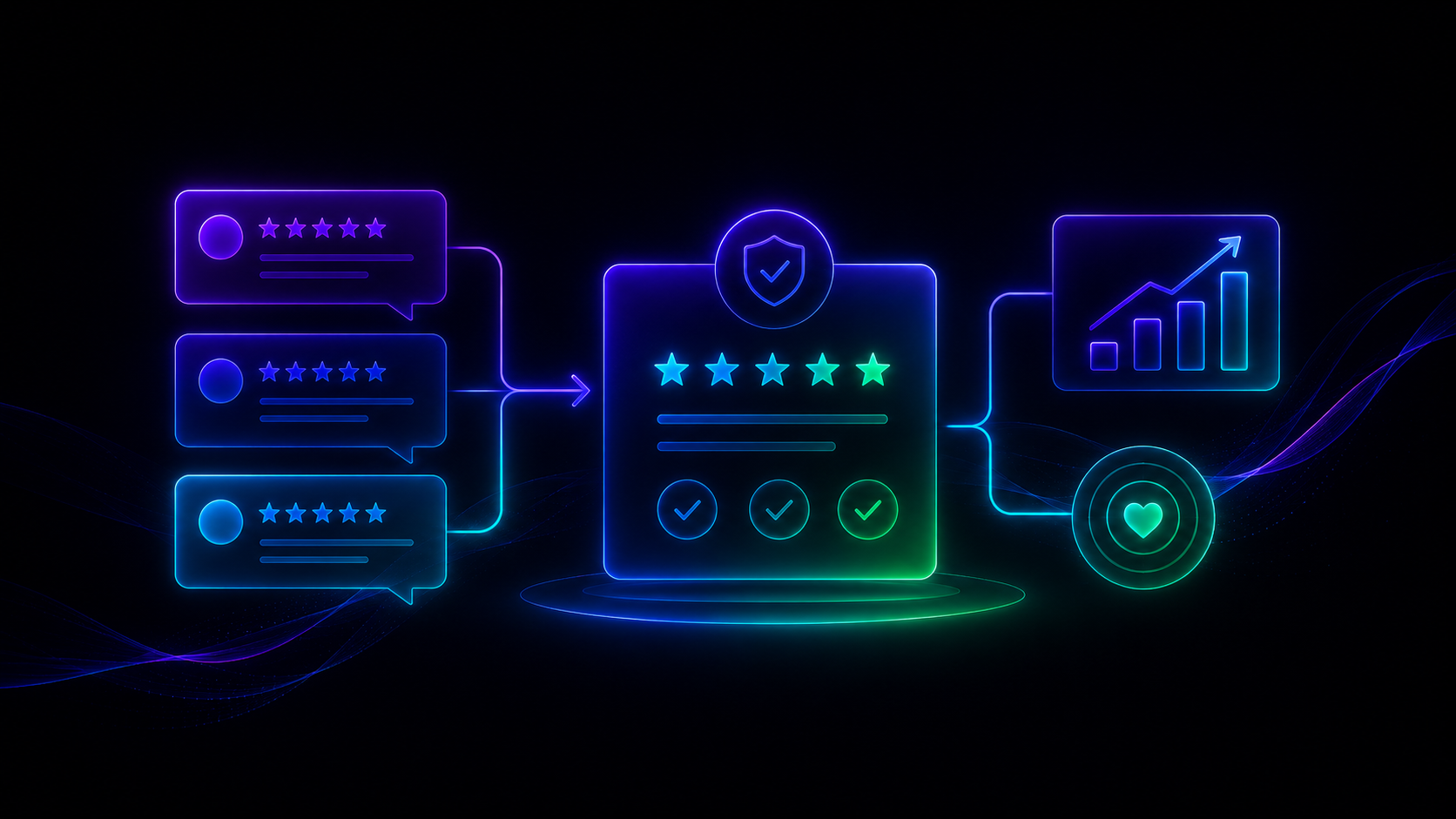
In direct response, social proof is not there to fill the page with praise. It exists to reduce a specific objection. The buyer wants to know whether someone like them got the result, whether the process looks real, and whether the offer’s promise holds up outside the copy.
Testimonials, short videos, numbers, and screenshots still work, but skepticism is higher. The more perfect social proof looks, the more likely it reads as marketing. The best proof usually has context, some imperfection, and details you can verify.
A generic testimonial is almost decoration
“Loved it, highly recommend” says almost nothing. A strong testimonial shows starting situation, decision, use, and outcome. The reader needs to recognize their own situation before they believe the transformation.
If the offer is low ticket, quick proof may be enough. On high ticket, you usually need process, timeline, implementation, and the objections that showed up along the way.
Screenshots work better with context
A chat screenshot, DM, or dashboard clip can feel native to the operation. But cropping only the perfect sentence cuts credibility. Explain who the person is, what they bought, and what the situation was.
The same applies to numbers. “$100k” without period, channel, or context can impress and still create distrust. A good number helps the reader understand the case.
Place social proof next to the objection it answers
Do not dump twenty testimonials in a forgotten block at the end. Spread proof where it does work. Near price, use proof of value. Near the mechanism, use demonstration. Near the CTA, use safety and outcome.
On pages with a VSL, proof can also land after the lead or at the moment the copy makes a harder claim.
Process proof can matter as much as result proof
Not every business can promise the same outcome for everyone. Showing behind-the-scenes work, implementation, support, screens, and deliverables builds trust without aggressive claims.
For SaaS and tools, usage recordings, comparisons, and product data are often stronger than promotional quotes.
Build a system to collect real social proof
Support, success, community, and CS hear proof every day. Create a flow to request permission, capture context, and tag each asset by objection.
Over time, that library becomes an internal swipe file of customer voice. It feeds the page, advertorial, VSL, ads, and even naming for new mechanisms and features.
How to take this into the operation
Turn the idea into an observable hypothesis. Define which funnel stage should move, the primary metric, and the read window. Then log which copy, creative, or page version was live. That history stops the common habit of changing five things, watching results swing, and never knowing what actually happened.
It also helps to bring copy, design, and media buying closer together. The buyer sees hooks and angles that win attention. The page team sees objections and conversion drops. When those learnings land in the same swipe file, the next creative round starts from evidence, not brainstorming alone.
Metrics that should sit next to the decision
Do not stop at CTR or conversion rate in isolation. Read clicks, page interaction, CTA, checkout starts, purchases, CPA, AOV when there are add-ons, and ROAS. On video pages, add play rate, retention, and CTA exposure. That tells you whether the change bought attention, intent, or real revenue.
Conclusion
Strong social proof feels like evidence, not ornament. The more context and objection fit you bring, the less you need to exaggerate the copy.
The goal is not stacking compliments. It is showing the buyer that the offer already worked in situations they recognize as real.
Frequently asked questions
Do conversation screenshots still work?
Yes, when they are authorized, contextualized, and not cropped in a way that hides relevant information.
Is video better than text?
It depends on the objection. Video adds richness and trust; text and screenshots are faster to consume and work well near the CTA.
Can I use revenue numbers?
Yes when they are true, authorized, and presented with enough context that they do not invite the wrong interpretation.
Published
August 16, 2026
Categories